All Categories
Featured

Essential Questions to Evaluating Benefit Providers
Census Bureau, 2023). These programs supply 24/7 telephone therapy, online resources, and recommendations to specialized psychological health experts when extensive treatment becomes needed. California EAPs provide staff members zero-cost access to psychological health services that would otherwise cost $100-200 per session in the state's pricey health care market. With California's per capita health costs at $10,300 yearly (Centers for Medicare & Medicaid Services, 2022), these employee help programs provide significant savings by eliminating out-of-pocket expenditures for therapy sessions.
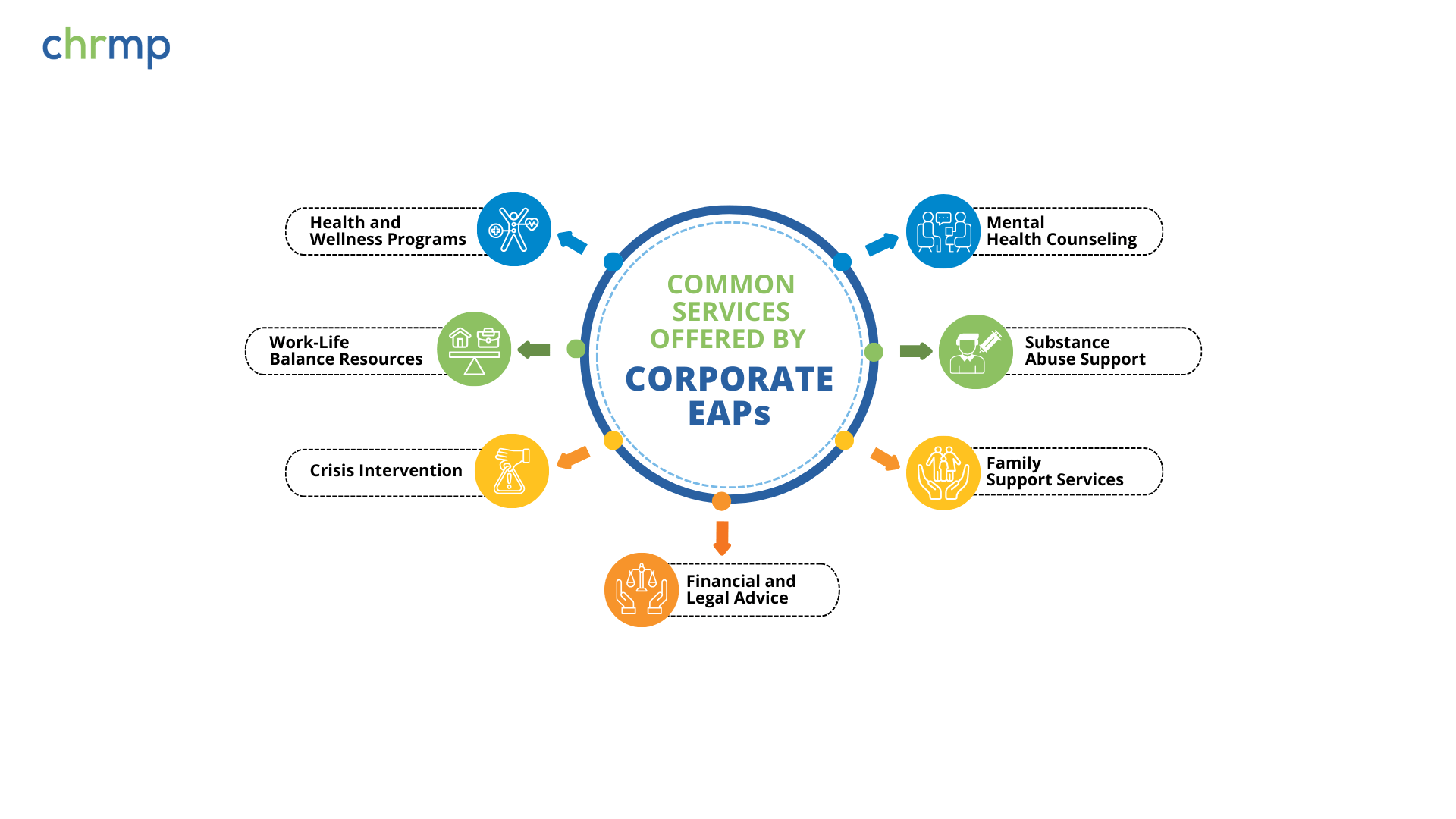
Early intervention through EAPs creates expense savings by attending to psychological issues before they require intensive psychiatric care or hospitalization. California workers utilizing EAP services prevent the financial problem of personal treatment sessions, which represent significant expenses offered the state's mean household earnings of $84,500 (U.S. Census Bureau, 2022). These support programs match existing insurance coverage rather than replacing detailed mental health benefits, providing instant access to therapy without deductibles or copayments that discourage treatment seeking in California's high-cost health care environment.
Insurance Case StudiesMore than 40% of Californians speak a language other than English at home, including approximately 31% who speak Spanish (U.S. Census Bureau, 2023). EAP suppliers accommodate this linguistic variety by employing multilingual psychological health experts fluent in Spanish, Mandarin, Cantonese, Vietnamese, Korean, and other widespread languages spoken across California's 200+ language neighborhoods.
Insurance Case StudiesCulturally qualified EAP services recognize the special psychological health approaches preferred by California's ethnic neighborhoods, particularly Latino and Asian/Pacific Islander populations who consist of 56% of the state's labor force demographics. More than one-quarter of Californians (27%) are foreign-born, the highest immigrant share nationally and over two times the U.S. average (U.S. Census Bureau, 2023).

Latest Posts

Strategies to Manage Corporate Well-being Program Budgeting

Improving Group Insurance Planning

How Comprehensive Vision Insurance Support Staff